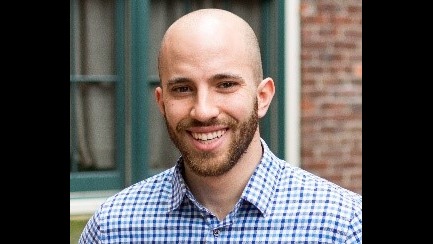
Garren Hilow bootstrapped Abveris with friends-and-family money and profits instead of venture capital, and still owned more than half of the company when Twist Bioscience acquired it for $190 million in 2021. He shared how at a Founders Network webinar on December 1, 2022.
When Abveris creator Garren Hilow sold his business for $190 million, he still owned more than half of it. In the process of launching Abveris, he focused on bootstrapping biotech rather than raising venture capital.
Abveris grew to become a Boston antibody discovery company. It focuses on developing drugs, vaccines and cell therapies in partnership with biopharma companies all over the world. Using its technology, Abveris worked on research related to the COVID-19 pandemic. At the time of the webinar, Abveris had been named one of the best places to work by the Business Intelligence Group for the second year in a row.
In 2021, synthetic DNA biotech company Twist Bioscience acquired Abveris for $190 million. About a year after the sale, Hilow was working part time as a sales consultant for Abveris.
On December 1, 2022, Hilow hosted a webinar for Founders Network where he shared how he grew Abveris without sacrificing ownership of the company.
To learn more about generating revenue, see if you qualify for membership and check out the webinar from December 1, 2022.
Fundraising vs. Sales Revenue
Not all startup funding is created equal. That’s why founders trying to fund their businesses should focus on generating revenue rather than fundraising, Hilow advises.
Venture capital money comes with a price tag in the form of company ownership. Hilow contends that it distracts founders from generating revenue in addition to whittling away their share of their companies.
Founders reliant on venture capital “look around three or five years into their business and they own five or 10 or 15% of their business instead of the majority of their business,” Hilow says.
To avoid this fate, Hilow and his business partner went a different route. They raised money from friends and family and then grew using profits.
Don’t be Afraid of Bankruptcy
“I didn’t start rich,” Hilow says.
Over the course of eight years, he and his wife had saved $150,000 to buy a house. Six months after the purchase, they used the house to take on more than two million dollars worth of debt to launch and grow the company.
“We went further and further into that pool, just knowing that at the end, with bankruptcy, we could go back to zero. Or we could go up, which is exactly what we did. That irrational fear of loss is something that needs to be overcome by any rational business person making any decisions,” he says.
It’s the fear of bankruptcy that pushes founders to seek venture capital funding, he says.
“When you actually understand bankruptcy, then all of a sudden, it’s not something to be afraid of. It’s a safety net. It’s there to protect you,” he says.
These are Hilow’s views and his own experience, not financial advice. Taking on personal debt carries real risk, and the effects of bankruptcy vary by situation, so talk to an accountant or attorney before making similar decisions.
Bootstrapping Biotech
Abveris is a biotech company that uses a specific technology to generate antibodies using mice. The company took a route some biotech companies choose: Abveris opted not to pay for a patent and instead just kept the technology a secret.
“Honestly, we just didn’t have the money to patent it. But, not patenting it turned out to be the best possible case for us, because we exited seven years later. The trade secret was still a secret, and it generated a lot of intrigue. On top of the fact that it worked,” Hilow says.
So, Hilow and his partner had operational technology in their first year, and could start generating revenue. He then focused on building “an overproducing sales team.”
In his webinar, Hilow covered:
- Why, in Hilow’s view, every revenue dollar is worth 6-10 times more than every investor dollar
- How to build an overproducing sales team
- Maintain control of your cap table by generating revenue early. Own the majority of your business and be happier.
- Bankruptcy isn’t so scary. America is built to benefit the business owner. Go all-in.
- How to run a business that maybe should have gone bankrupt
To learn more about generating revenue, see if you qualify for membership and check out the webinar from December 1, 2022.
Frequently asked questions
How did Abveris grow without venture capital?
Hilow and his business partner raised money from friends and family and then grew using profits. They had operational technology in the first year and focused on revenue and building an overproducing sales team.
Why didn't Abveris patent its technology?
Hilow says they didn't have the money to patent it, so they kept it a trade secret. It was still secret when they exited seven years later, and he says that generated intrigue.
How did Garren Hilow finance the company personally?
He and his wife used a house bought with $150,000 in savings to take on more than two million dollars of debt. He says understanding bankruptcy made it a safety net rather than something to fear.
What did the Garren Hilow webinar cover?
Topics included why, in Hilow's view, every revenue dollar is worth 6-10 times an investor dollar, how to build an overproducing sales team, and maintaining control of your cap table by generating revenue early.