
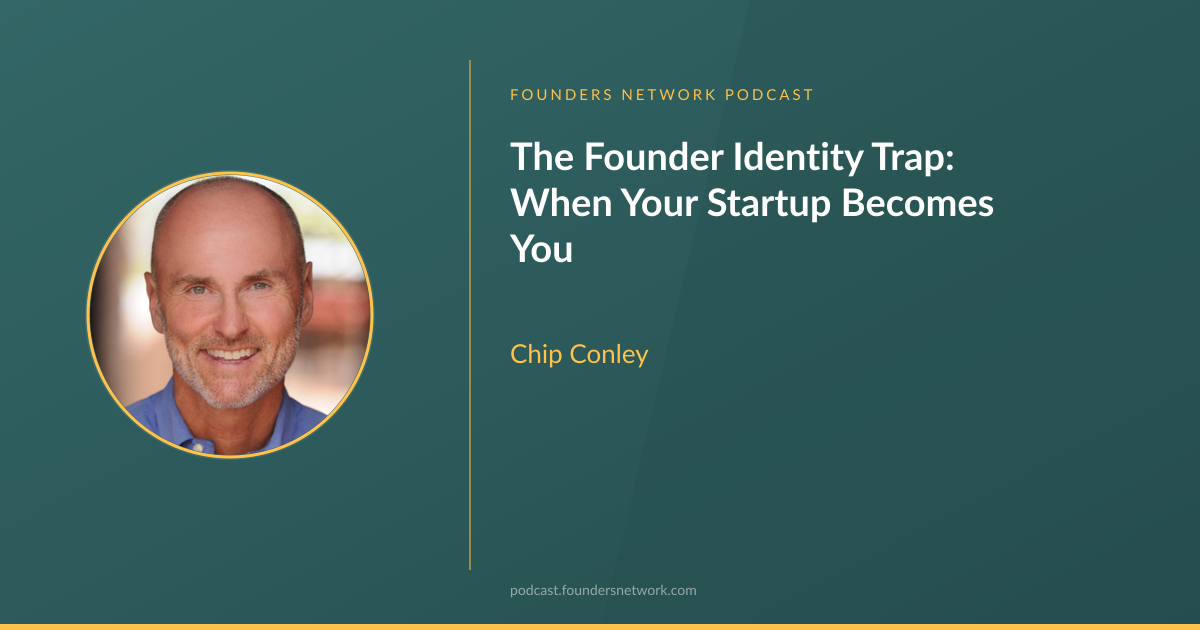
Chip Conley lost three entrepreneur friends to suicide during the Great Recession. What connected these tragedies wasn’t just business failure—it was how deeply these founders had intertwined their identities with their companies’ success. “When the company died, they died, or they wanted to die,” Conley reflects. “And that’s not healthy.”
Key Takeaway: The most successful founders learn to separate their personal worth from their company’s performance—before they hit a wall that could cost them everything.
From 26 to 52: Building an Empire, Hitting a Wall
Conley’s journey began at 26, fresh out of Stanford Business School, when he started what became one of the world’s first boutique hotel companies. Over 24 years, he grew Joie de Vivre from a single funky motel in San Francisco’s Tenderloin—the Phoenix—into a 52-hotel company that Hyatt would eventually acquire as the JDV brand.
But success came with a hidden cost. “I felt at times like my sense of identity was too attached to the company, which is very much a familiar thing for a lot of founders, especially founders in their 20s, 30s, and 40s,” Conley explains.
The breaking point came during the Great Recession. Unlike the dot-com bust and 9/11—challenges where he “felt like a gladiator”—this time was different. Conley was already experiencing what he calls an emotional dip: a long-term relationship ending, his African-American foster son facing wrongful imprisonment, financial strain, and even a near-death experience from an allergic reaction to antibiotics.
“I hit a wall on just every part of my life. I didn’t want to do it anymore. But I was the great recession, so I really couldn’t run away from my business and I couldn’t sell it very easily.”
— Chip Conley, Founder of Joie de Vivre Hotels, speaking on the Founders Network podcast
The Gladiator vs. Prisoner Mindset
Conley’s distinction between feeling like a “gladiator” versus a “prisoner” offers crucial insight for founders navigating difficult periods. During the dot-com bust and 9/11, he approached challenges with curiosity and leadership—qualities that helped his team weather the storm and even inspired his book “Peak: How Great Companies Get Their Mojo From Maslow.”
But the Great Recession was different. “I didn’t feel like a gladiator. I felt like a prisoner,” he admits. The difference wasn’t just external circumstances—it was his internal state and how tightly his identity was wound around the company’s fate.
This distinction matters for founders facing their own walls. Mental health challenges in startups are increasingly common, and understanding when you’re operating from a gladiator mindset versus feeling trapped can be the difference between breakthrough and breakdown.
For founders in major tech hubs like New York’s startup scene, peer support becomes even more critical during these challenging periods. The isolation of leadership combined with the pressure of urban startup ecosystems can amplify the identity trap.
The Modern Elder: From Mentor to Mentee at 52
After selling Joie de Vivre, Conley spent two years from 50 to 52 deliberately exploring what made him curious. He attended 36 festivals in 16 countries, studied emotional intelligence, and wrote “Emotional Equations.” This period of intentional exploration set him up for what would become his most impactful role yet.
At 52, Brian Chesky called. Airbnb was still a small, relatively unknown startup, and Chesky wanted Conley as his full-time mentor. The age gap was stark—Chesky was 31, the average company age was 26, and Conley initially bristled at being called a “modern elder.”
“He said to me the thing that really got to me: ‘Chip, a modern elder is someone who’s as curious as they are wise.’ And I was like, wow, that’s what I want to be when I grew up—the combination, the alchemy of curiosity and wisdom.”
Conley spent seven and a half years at Airbnb (four full-time, three and a half part-time), helping guide the company to its IPO and status as the most valuable hospitality company in the world. This experience taught him that wisdom without curiosity becomes irrelevant, while curiosity without wisdom can be dangerous—especially for founders making high-stakes decisions.
Building Resilience Beyond Your Company
The tragedy of losing entrepreneur friends to suicide during the recession crystallized an important lesson for Conley: founders need identity beyond their companies. “Be careful about attaching your identity too much to the success or failure of your company,” he warns.
This doesn’t mean caring less about your startup—it means building a more robust sense of self that can weather business storms. For founders in competitive markets or facing funding challenges, this psychological resilience can be the difference between pivoting successfully and giving up entirely.
The Modern Elder Academy, which Conley founded after his Airbnb experience, now serves over 8,000 alumni from 60 countries with 56 regional chapters. Surprisingly, about 25% of attendees are millennials interested in developing wisdom and leadership skills—proof that the identity challenge isn’t limited to older founders.
“There’s just a lot to be said around spending time with interesting people who are doing things that you think are interesting too. If all you’re doing is just sitting around watching football games, you’re probably not increasing the surface area of people that you’re meeting.”
— Wade Foster, CEO & Co-founder of Zapier, Founders Network member, speaking on the Founders Network podcast
Practical Steps for Avoiding the Identity Trap
Based on Conley’s journey and the patterns he’s observed across thousands of entrepreneurs, here are actionable strategies for founders:
- Diversify your identity early: Cultivate interests, relationships, and roles beyond your company. Conley’s involvement with Burning Man’s founding board gave him perspective beyond hotels.
- Recognize gladiator vs. prisoner moments: When challenges feel like learning opportunities, you’re in gladiator mode. When they feel like traps, it’s time to reassess.
- Build peer connections: Communities that offer startup mentorship programs provide reality checks and support during difficult periods.
- Embrace the “modern elder” mindset: Combine curiosity with whatever wisdom you’ve gained, regardless of age. This keeps you learning instead of just grinding.
- Plan for multiple chapters: Your first company doesn’t have to be your entire story. Conley’s three distinct career chapters show the power of reinvention.
The Long Game of Entrepreneurship
What makes Conley’s story particularly relevant for today’s founders is his perspective on entrepreneurship as a long game rather than a single-company sprint. His transition from hotel entrepreneur to Airbnb mentor to Modern Elder Academy founder shows how skills and wisdom compound across ventures.
For founders currently weathering economic storms or facing their own walls, Conley’s journey offers both warning and hope. The warning: don’t let your company’s fate determine your worth. The hope: there can be multiple meaningful chapters to your entrepreneurial story.
As startup ecosystems in major cities like Tokyo continue growing from small communities to robust networks, the lessons about identity, mentorship, and resilience become even more critical. Founders need both the courage to build something new and the wisdom to survive the journey.
Conley’s experience suggests that the most successful entrepreneurs aren’t those who never hit walls—they’re the ones who learn to climb them, or more importantly, who build identities strong enough to withstand the impact when companies don’t work out as planned.
To learn more about building resilience as a founder and connecting with peer mentors who understand the entrepreneurial journey, see if you qualify for Founders Network membership.
Based on a conversation from the Founders Network podcast.